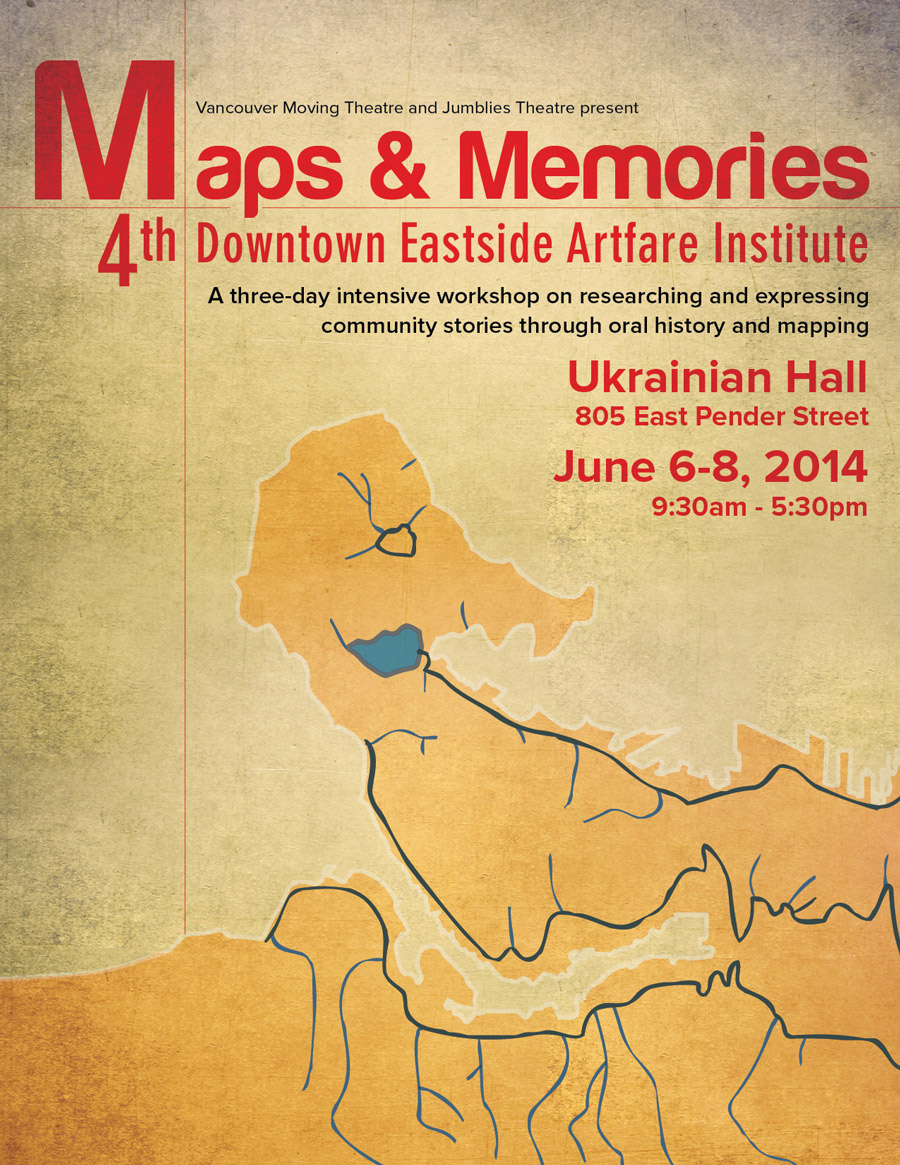
Vancouver Moving Theatre and Jumblies Theatre in partnership with Dr. Sun Yat-Sen Classical Chinese Garden present
The Art of Hospitality: 3rd Downtown Eastside Artfare Institute
A volunteer work-learn opportunity and mini-practicum in art that engages with and celebrates community
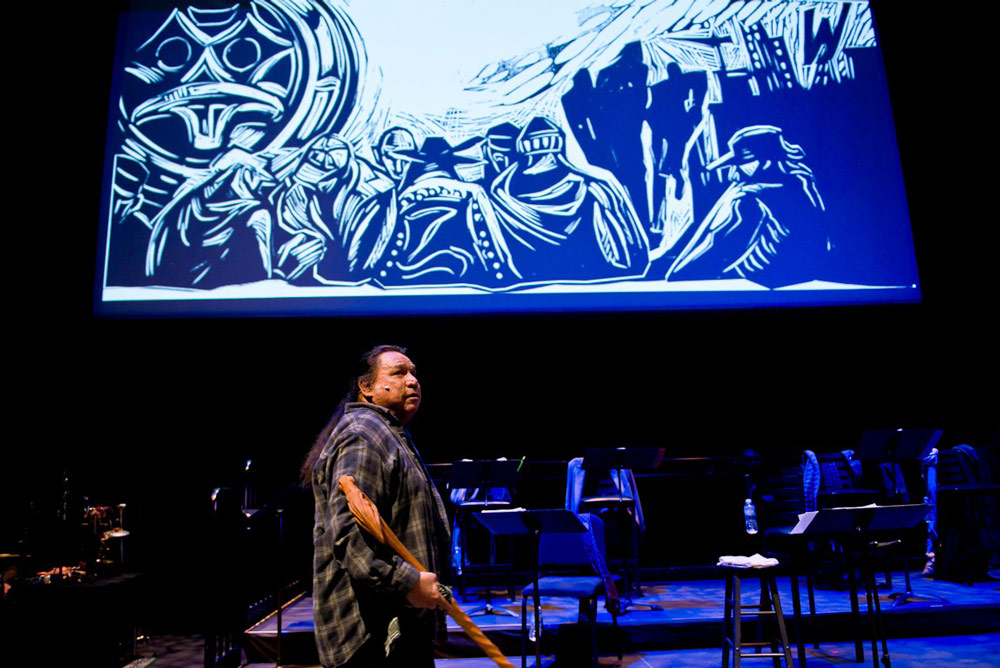
Photo: MABELLEarts Midwinter Parade 2013, by Katherine Fleitas
This workshop will explore artful hospitality and develop skills in art making that is welcoming, inclusive and able to bring people together across differences, facilitated by some of Canada’s leading community artists, including Ruth Howard (Jumblies Theatre, Toronto), Savannah Walling (Vancouver Moving Theatre) and Leah Houston (MABELLEarts, Toronto).
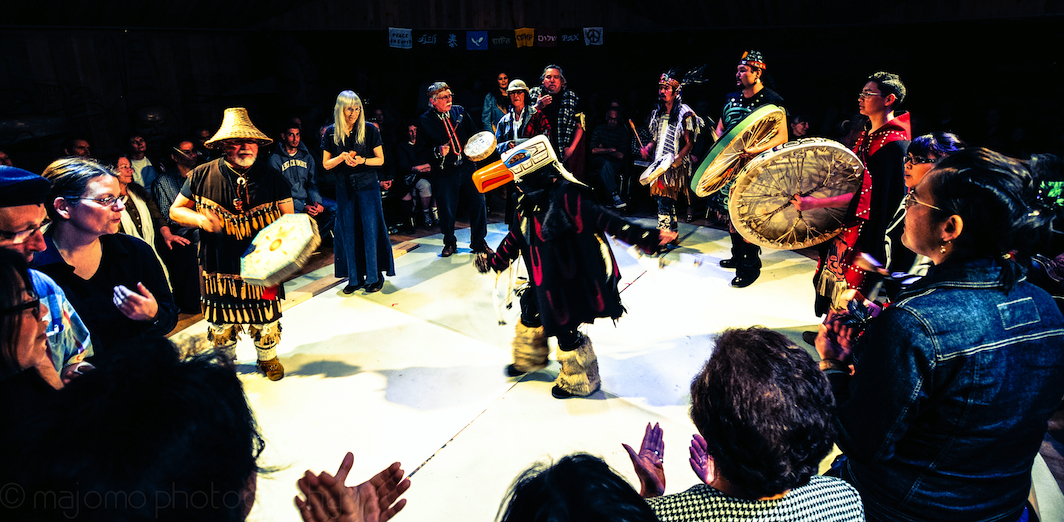
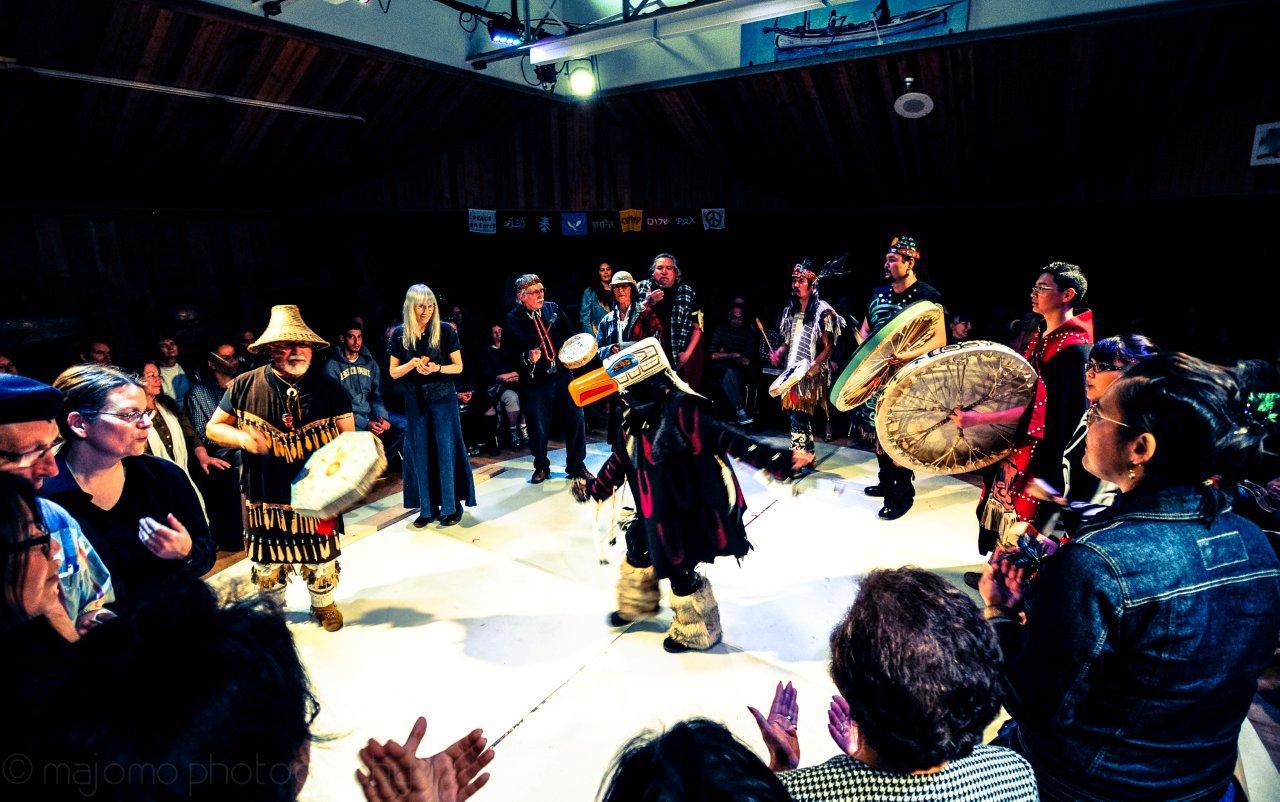
Introductory sessions, a mini-practicum with an active community arts project, hands-on activities, discussions, take-home resources, and a culminating event that weaves together feasting, conversation, storytelling, music and cultural sharing from Coast Salish, Chinese, and Ukrainian traditions.
DATES: April 7-15, 2013
April 7, 8, 9 – 10:30-12:30 pm – Group sessions; 1:30-4:30 pm – Work according to individual plans
April 11, 12 – 10:30-4:30 pm – Work according to individual plans
April 12 – 1:30-4:30 pm- Work according to individual plans; 6:30-10:00 pm – Rehearsal
April 13 – 10:30-6:00 pm – Final Preparation, Performative Feast, Wrap-up
April 15 – 10:30-12:30 pm – Closing reflections and evaluation
WHO’S IT FOR?
- People interested in and/or with experience in art that engages community;
- People with flexibility and reliability who enjoy working creatively with diverse people;
- People with arts-related background (experience &/or training) to contribute to the creation of our performative feast (e.g. visual arts, design, music, performance, calligraphy, culinary arts);
- People who can apply what they learn and share it with others through their work.
YOUR RESPONSIBILITIES:
- Participate fully from April 7-15 (days off April 10 & 14), including core group sessions, individually-tailored work plans and schedules, final rehearsals, culminating performative feast and closing gathering;
- contribute in a spirit of collaboration, cooperation, and respect for community needs;
- notify project coordinator in advance of any scheduling conflicts and changes and to work out a solution.
WHAT ARE THE BENEFITS?
- Deepen your community arts skills and experience;
- Meet and network with like-minded creative people locally and from across the country;
- Be part of an ambitious and innovative multi-year Vancouver project with Toronto partners;
- Jumblies’ training workshops are recognized nationally as credentials by arts employers and academic institutions;
- It will be lots of fun!
LOCATIONS: Dr. Sun Yat-Sen Classical Chinese Garden (578 Carrall St.) and Ukrainian Hall (805 E. Pender St.).
FEE: There is no cost involved. This is a work-learn volunteer experience and exchange.
MEALS: A community feast on April 13; coffee/tea; otherwise bring your own.
CERTIFICATION: Those completing the intensive will receive a certificate form Vancouver Moving Theatre and Jumblies Theatre
APPLICATION PROCESS: Limited to eight participants, selected partly based on experience and potential to benefit, with a view to creating a compatible and diverse group, including Downtown Eastside community members. Click here to download an application (Word doc) or email Leah Houston at info@jumbliestheatre.org to request a form.
Application Deadline March 20, 2013, midnight. Email completed application to both info@jumbliestheatre.org and vancouvermovingtheatre@shaw.ca. See details in application form about mailing the application. Applications arriving by March 20 will be assessed and space confirmed by March 28. Late applications will be processed only if there is space.
Please visit www.vancouvermovingtheatre.com and www.jumbliestheatre.org for information about our other activities.
Vancouver Moving Theatre is currently working on five community engaged projects:
THE BIG HOUSE is a theatrical performative feast that celebrates the neighbourhood’s founding cultures, weaving together music, story sharing, hands-on art-making and feasting traditions of Vancouver’s Downtown Eastside. This spring April 2013 we will offer workshops on “The Art of Hospitality” and try out two work-in-progress prototypes of The Big House in partnerships with the folks at the Dr. Sun Yat-Sen Classical Chinese Garden and the Downtown Eastside Neighbourhood House. Co-produced in association with Toronto’s Jumblies Theatre, the project brings together producer Terry Hunter, artistic director Savannah Walling, designer Ruth Howard, musician Beverly Dobrinsky and culinary artist Rosemary Georgeson. The premiere of the production/event will be held in May 2014 at a yet to be determined location in the Downtown Eastside.
 Theatrical-performative feast, Arts for All Institute: Oppen-Arts, Oppenheimer Park, November 2010. Photo courtesy Keith Martin.
BREAD AND SALT is a music, dance and oral history tribute to the historic and current Ukrainian Canadian community of Vancouver’s Downtown Eastside. A collaboration between Vancouver Moving Theatre, Beverly Dobrinsky (singer, composer and musical director) and the Association of United Ukrainian Canadians, Bread and Salt will take place at the Ukrainian Hall (805 East Pender Street) during the 2013 Heart of the City Festival in an event commemorating the 85th anniversary of Vancouver’s Association of United Ukrainian Canadians.
TRAIN OF THOUGHT: Vancouver Moving Theatre is pleased to be joining the coast-to-coast creative multi-community journey: Train of Thought, produced by Jumblies Theatre and cross-country partners including Vancouver Moving Theatre. Timed to coincide with The Big House, the innovative networking project will link and develop community arts initiatives through an evolving dialogic journey across Canada by train with at least eight stops along the way, connecting with fellow Canadian community artists engaged on projects for, about and celebrating their communities. The train leaves in May 2014 right after the final presentation of The Big House!
THE V6A PROJECT is a community arts legacy project: a celebratory history and resource of community engaged theatre and music productions and projects created with, for about the Vancouver’s Downtown Eastside from 2002 to 2012 by Vancouver Moving Theatre, the Carnegie Community Centre, DGB Productions, Savage God, Theatre in the Raw and in partnerships with Enderby, B.C.’s Runaway Moon Theatre and Toronto’s Jumblies Theatre. The resource features a 180 page book, a slide show, a website and a visual display. Please visit heartbook.vancouvermovingtheatre.com to view the nine productions featured in the resource package. Our new book – From the Heart of a City: Community Engaged Theatre Productions from Vancouver’s Downtown Eastside 2002-2012 – will be ready for distribution soon. As of the writing of this post, the visual display is on display at the Carnegie Community Centre gallery on the third floor. Call 604-665-2220 and ask for the Carnegie administration office to see if the display is still up.
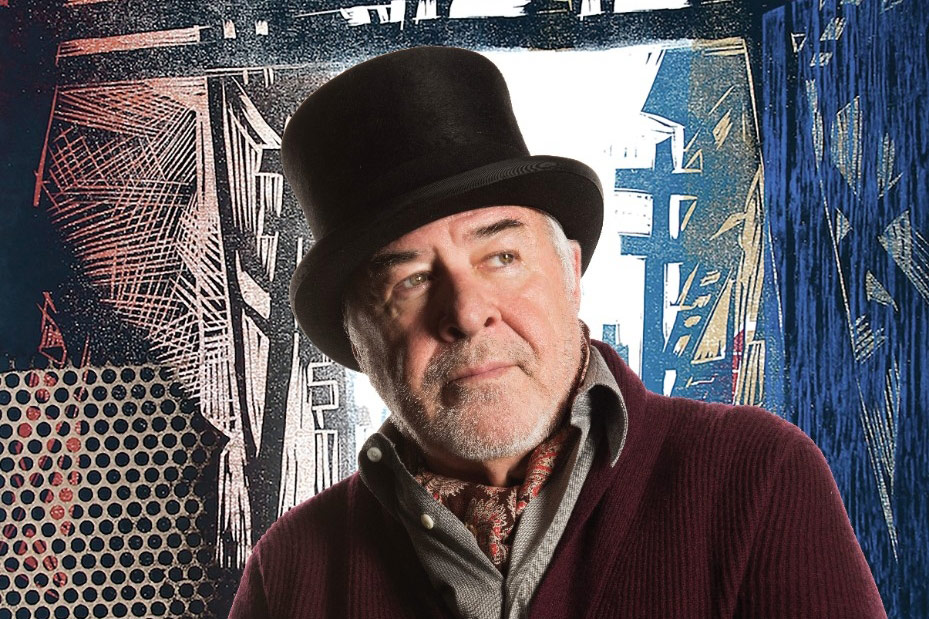
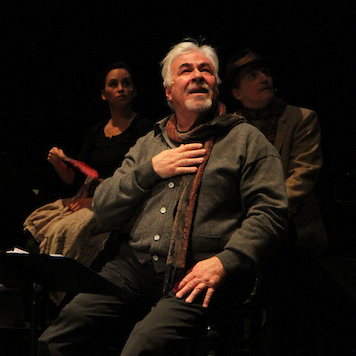
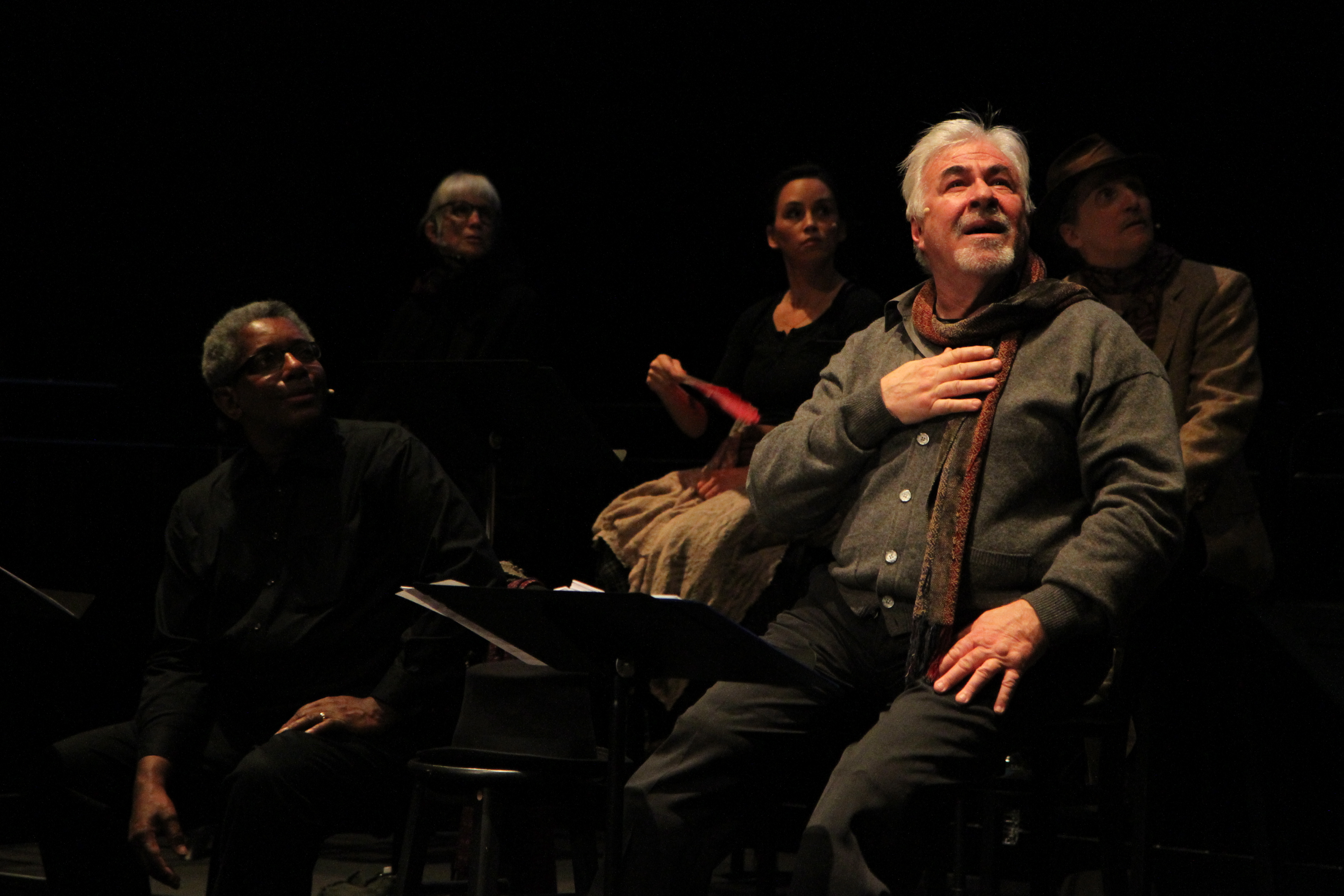
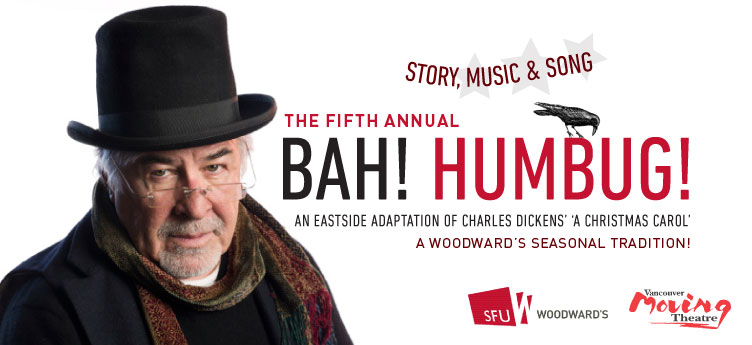
BAH! HUMBUG!: Victorian England meets Vancouver’s Downtown Eastside in a bittersweet twist on the cherished classic that celebrates the transformative power of human redemption. Commissioned and co-produced by SFU Woodward’s Cultural Programs in partnership with Vancouver Moving Theatre, the East End adaptation of the Charles Dickens holiday favorite, “A Christmas Carol”, benefits the Downtown Eastside Heart of the Festival and community arts in the Downtown Eastside. (December 2013, Fei & Milton Wong Theatre).
We hope to see you at one of these events and/or our anniversary celebrations.
As always,
Terry Hunter
Executive Director
11 February 2013
The founders of Vancouver Moving Theatre, Terry Hunter (Executive Director) and Savannah Walling (Artistic Director) were recently honoured for their contributions to Canadian culture with the Queen Elizabeth II Diamond Jubilee Medal. Presenting the awards in the Heritage Hall at a ceremony on 23 January 2013 were Libby Davies, MP, Vancouver East, with Jennie Kwan, MLA, Vancouver-Mount Pleasant and Shane Simpson, MLA, Vancouver-Hastings.
 Elaine Carol (Miscellaneous Productions), Savannah Walling, Libby Davies MP, Terry Hunter
Terry and Savannah were recognized for “producing innovative arts events, which involve people from the Downtown Eastside in telling their stories through their company Vancouver Moving Theatre. They involve residents in the creation, development and production of cultural events, educational program and community festivals….Through their work, residents and visitors alike come to see the value, history and strength of this diverse community.” (Awards Program Guide)
Terry and Savannah were thrilled and honoured to be joined at the award ceremony by family members Mary Hunter (mother) and Dr. Robert Hunter (brother); their nominator Dr. Frank Harris; Vancouver Moving Theatre Board of Directors Ann McDonell (President), John Atkin (Secretary) and Renae Morriseau (Member-at-Large); nomination supporters Michael Clague, James Johnston and Rika Uto; and Downtown Eastside performer Stephen Lytton.
 RCMP officer, Michael Clague, John Atkin, Terry Hunter, James Johnstone, Mary Hunter (front), Savannah Walling, Frank Harris (back), Steven Lytton (front), Ann McDonell, RCMP officer
Congrats to the other thirty-four recipients from Vancouver East who received the award, including among others friends and colleagues Elaine Carol (Miscellaneous Productions), James Crescenzo (drama teacher, Templeton High School), Melva Forsberg (artist, business owner), Marlene George (Seniors & Cultural Sharing Programmer, Carnegie Community Centre); Bruce MacDonald (historian/author), Kevin McNulty (actor), Jane Newton-Moss (Breakfast Program, Strathcona Community Centre), Bill Sample (musician, composer, musical director), Ron Suzuki (programmer, Strathcona Community Centre), Richard Tetrault (artist), Joe Wai (architect), Larry Wong (historian/writer) and Ellen Woodsworth (community organizer).
We are also delighted by the recognition of community advocates Nathan Allen (manager of Pigeon Park Savings Credit Union); Dr. Alan Bates (head coach of the Portland FC Homeless Street soccer team); Katrina Pacey (litigation director at Pivot Legal Society); Charlie Quan (a champion who fought for justice and redress from the unjust Chinese Exclusion Act) and Alex Tam (a beloved Downtown Eastside pharmacist).
 RCMP officer, Terry Hunter, Jenny Kwan MLA, Elaine Carol. Richard Tetrault, Savannah Walling

Bah! Humbug! 2012 – A Woodward’s Seasonal Tradition!
December 15, 2012 | 2:00 PM and 7:30 PM
$20 general | $10 student/seniors
Fei and Milton Wong Experimental Theatre
Goldcorp Centre for the Arts
BUY TICKETS
Directed by Max Reimer
Starring Jay Brazeau, Jim Byrnes & Margo Kane
Featuring over 20 popular & seasonal songs, an audience sing-a-long, seasonal refreshments, and an organic turkey draw!
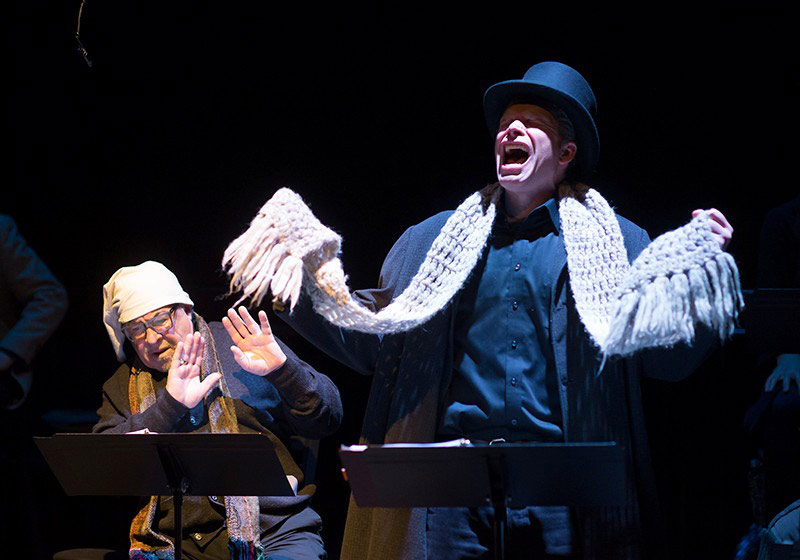
A contemporary adaptation of Charles Dickens’ A Christmas Carol, Bah! Humbug! parallels the economic disparities between Victorian England and Vancouver’s Downtown Eastside. Reconceived as a reading and musical event where Scrooge owns a pawn shop on Hastings Street, this presentation includes community actors working alongside professional actors from the city. This imaginative production offers a new twist on a cherished classic that celebrates the transformative power of human redemption.
A Woodward’s tradition, each year the family-friendly adapation contains new twists and turns while highlighting the vital issues affecting Vancouver’s Downtown Eastside.
Directed by Max Reimer, Bah! Humbug! features award-winning actor Jay Brazeau as Ebenezer Scrooge, First Nations actor Margo Kane as the narrator, Juno-award winning musician and actor Jim Byrnes as Jacob Marley, and gospel and blues/singer Tom Pickett as Bob Cratchit. Musical performances are diverse and include pop songs, folk, blues, gospel, and industrial rock along with traditional seasonal favourites. This truly is a version of A Christmas Carol like you’ve never experienced before.

A witty, heart-filled production!
–Megan Harris
A fantastic way to get into the spirit of the season!
–Diane Roberts, urban ink
.. one sweet humbug… becoming an annual favourite… a made-in-Vancouver Christmas Carol… Brazeau is a great humbugging Scrooge…Don’t miss it…..
-Jo Ledingham, Vancouver Courier
Originally published in alt.theatre Vol. 7.3 (March 2010)
Download a PDF version of this article
By Savannah Walling and Ruth Howard
In November 2009, Vancouver Moving Theatre and Toronto’s Jumblies Theatre joined hands across Canada to present the Downtown Eastside Arts4All Institute—six days of learning, idea-sharing, films, panels, art-making, mutual support, and inspiration. Produced for the first time in western Canada, and specially tailored for the Downtown Eastside community, the institute provided an in-depth introduction to principles and practices of art that engage with and build community.
Host director Savannah Walling and lead artist and facilitator Ruth Howard joined forces to adapt an intensive course developed by Jumblies in Toronto over the past three years as part of the Jumblies Studio. The name 4All springs from a close relationship between this initiative and Jumblies Offshoot project, Arts4All, at Davenport Perth Neighbourhood Centre.
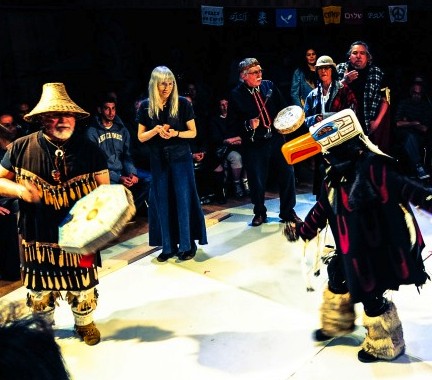
Joining Savannah and Ruth as facilitators were Canadian community play movers Terry Hunter (VMT), Varrick Grimes (Toronto/Newfoundland ), Keith McNair (Jumblies), Cathy Stubington (Runaway Moon Theatre, BC), and Lina de Guevera (Puente Theatre, BC). Panels on forming community partnerships and making room for diversity reflected a spectrum of community-engaged arts as practiced by Judy Marcuse (ICASC), Rosemary Georgeson (urban ink), Bruce Ray (gallery gachet), jil p. weaving (Vancouver Parks Board), and others. Coordinator Susan Gordon organized nourishing lunches. Community partners included Carnegie Community Centre, Community Arts Council of Vancouver, DTES Heart of the City Festival, UBC’s Humanities 101, Ukrainian Hall, and Vancouver Board of Parks and Recreation.
Reflecting most community art projects, the twenty-one participants represented a diversity of backgrounds, skills, interests, and purposes. Most were local, but some arrived from other neighbourhoods, from Victoria, from Kamloops. All shared an interest in gaining skills and in processes that engage with community. Participants included veterans in the field wanting to revisit basics, challenge skill-set weaknesses, learn from and share with peers; professional and emerging artists wanting to engage more effectively with communities and learn how this differs from mainstream arts presentations; and others who’ve participated in a variety of arts-related community activities wanting to learn how to go about becoming professionals in the field.
Some wanted to put Downtown Eastside-created projects onto the road to share with friends and relatives, to shed light on realities of city life, and to inspire other communities to put on their own plays. Most had big or small projects in mind and were ready for tips and tools on project start-ups; on facilitation, communication, conflict-resolution, delegation; on preparing (and maintaining) budgets, business plans, and funding proposals; on forming partnerships; on assembling collaborative creative relationships; and on documentation, evaluation, and legacies.
Big questions were addressed. What do artists need to know to work successfully with community members on arts projects? How do we create projects accessible to diverse levels of experience, age, cultural and social backgrounds, and openness? How do we ensure that community-engaged artists focus on a community’s real issues and understand that when we risk opening up old wounds with tough themes, we must ensure that these communities and individuals will be okay after we leave?
The energy and enthusiasm during the institute were contagious. Collaborations were great fun. Participants appreciated the diversity and willingness of people to be themselves, the respect and humour displayed throughout, and the shared wealth of resources and breadth of life and artistic experience. Everyone learned.
BIOS
Savannah Walling is Artistic Director of Vancouver Moving Theatre, and interdisciplinary company producing community-engaged art and the DTES Heart of the City Festival.
Ruth Howard is a theatre designer and creator and founding Artisitic Director of Jumblies Theatre, a company that makes art with, for, and about people and places of Toronto. Contact: Info@Jumbliestheatre.org www.jumbliestheatre.org
By Savannah Walling with contributions by Terry Hunter
Published in alt.theatre Vol. 7.2, December 2009
(download a PDF of this article)
All things however they flourish
Turn and go home to the root
From which they sprang
– TAO TE CHING
Sifting through shifting landscapes of memory, I unearth evidence of our journey—shards of creation, ancestral and artistic trace-lines, social and political forces…Terry’s farm-instructing, music theatre-loving grandparents who worked alongside residents of the Saskatchewan Red Pheasant Reserve….My Oklahoma grandparents who farmed next door to Comanche neighbours…Whispers of civil wars, massacres, family feuds, addiction, and interracial marriage. Growing up under a nuclear cloud on a continent shaped and influenced by Aboriginal ideas and a host of cultural influences, we inherited from our ancestors a profound belief in the golden rule: “Do unto others as you would have them do unto you.”
The narrative of our history emerges out of all of these intersections with the community in which we’ve been planted for thirty years—a spit of land on Burrard Inlet known as the Downtown Eastside.
The tipping point of this history was our 1973 move into this, Vancouver’s oldest neighbourhood—and most misunderstood. Its historic borders were the waters of Burrard Inlet on the north, tidal streams flowing through gullies east and west (today’s Campbell and Carrall streets), and the tidal flats of False Creek on the south. Overlapping mini-communities of Gastown, Main and Hastings corridors, Chinatown, North of Hastings (Japantown), and Strathcona rest on unceded Coast Salish territory. This is the place that gave birth to our company, Vancouver Moving Theatre, and its interdisciplinary and community-engaged art practice.
Shift forward thirty years to the critical tipping point that moved us onto an entirely new level of engagement with the Downtown Eastside. In 2002, all of our experiences of the previous thirty years—and our history of living and working in this place—led to an invitation from the Carnegie Community Centre to partner to produce a community play for, with, and about the Downtown Eastside: one that would celebrate its struggles and triumphs in a process that built bridges between groups within the community. As artists within our community, we would become truly artists of the community.
So how did we get from there to here? When Terry and I arrived in the Downtown Eastside back in the early 1970s, we encountered a very different world than it is today. Back then we saw a residential community with a dynamic retail strip centered around Woodward’s retail and grocery store, lots of mom and pop stores serving the mostly low-income locals, and long-standing cultural centres. No visible homeless were evident, nor were illegal drugs used openly on the streets—in fact, locals were concerned about bars over-serving beer to their patrons.
Our arrival coincided with a whole slew of local victories, in particular, the defeat of a plan to wipe out the neighbourhood with an eight-lane freeway. This victory changed national housing policy, turned around years of civic neglect, and resulted in innovative social and cooperative housing and new, revitalized community and cultural centres. But we didn’t know any of these stories when we arrived. We only knew we had found an affordable home and rehearsal space, a community that welcomed and respected diversity, and a steaming stew of cultural aromas.
Ancestors of today’s Coast Salish people have used this spit of land for thousands of years. There’s still a strong First Nations presence here; the Downtown Eastside is called the largest urban reserve in Canada. It’s also home to North America’s second largest historical Chinatown. Almost half of the area’s population is a visible minority, and it’s been home to cultural festivals, feasts, celebrations, and ceremonies—Chinese New Year’s Parades, Japanese Bon dances, taiko drumming, rhythm and blues, gospel, and Coast Salish, pan-Indian, and Ukrainian cultural events.
The seeds of our artistic practice were planted in this stew: our fascination with interdisciplinary creation; our commitment to bridging barriers between cultures; our desire to connect artistic practice with community. Our home community in turn shaped our practice and who we are. Witnessing the annual return of Chinese Lion Dancers on the streets of Chinatown, for instance—who arrived to bring blessings to the community and frighten away evil forces—inspired us to take our work into the streets.
When Terry and I began our lifelong partnership, our shared love of music and dancing set in motion a long line of collaborative interdisciplinary explorations in companies we co-founded: two years of the Mime Caravan (with Doug Vernon); seven years of Terminal City Dance (with Karen Jamieson and others) and over twenty-five years of Vancouver Moving Theatre. From day one, we strove to break down boundaries between music, dance and theatre; bridge artistic disciplines and cultural traditions; create accessible art; step through imaginary fourth walls to interact directly with spectators and communities; take theatre out of the studio and into the streets and community; participate in places of celebration where people gather in a spirit of peace and hope for the future.
Blown north to Vancouver’s inner city by the winds of the Vietnam War, I blended personal passions with local inspiration. I researched Asian practices of combining dance, live music, and mask with European popular theatre practices (from masques, mumming, and Commedia Dell’Arte to seventeenth-century fool literature). Inspired by Korean and taiko drum dancing and studies in Afro-Caribbean percussion, Terry developed his own style of drumming and moving at the same time. Out of these fusions emerged productions we toured around the world.
“Drum Mother,” an audience-interactive character who danced and played music on large drums built into her red hoop-skirt, was launched at the Chinatown New Year’s Parade. She then led 30,000 people in the 1984 Vancouver Peace March, before touring across Canada with the Festival Characters.
Samarambi: Pounding of the Heart, a non-verbal street drama that enacted a ceremony of conflict and resolution between forces dangerously out of balance, premiered during a six-month residency at Expo 86 on the fringes of Chinatown. We incorporated space for audience-interactive improvisations into the tightly composed structure performed by masked archetypal characters—two danced on stilts, one utilized extra vocal techniques on a portable sound-system built into her costume, and all performed live music.
Three blocks from our home—in tandem with drum dance training we provided for dance students in the Main Dance performance training program—we created “Blood Music.” The choreography of this drum dance, which premiered in Korea, was inspired by the very simple rhythms of life without which we would all die: our hearts beating and pumping waves of blood, our lungs breathing, and the ebb and flow of the sea.
Combining research on the physics of sound with long-standing interest in Asian performance forms, we developed an introduction to drum dancing—a global approach to performer training in which physical, musical, mental, and spiritual exercises cultivate total presence, impelling participants beyond their preconceived limitations. In these workshops for young and old, we applied equal attention to process and product to create warm, supportive atmospheres—an important building block for the community-engaged projects in our future.
All these creations grew out of the soil of the Downtown Eastside, were shaped by its cultural winds, and shared locally before taking off around the world. For fifteen years, we continuously departed from this neigbourhood to tour Canada and the world. Along the way—earning a living by the skin of our teeth—we learned our craft as artist-producer-performers and worked with a series of ensembles.
Our work was originally funded as a dance company, but as it began to develop, Canada Council dance juries could not see enough of the dance component and cut us off (1984). We supported ourselves touring BC schools and international festivals. For a brief renaissance, we—and a few other companies who didn’t fit the disciplinary corrals—were jointly funded in a special initiative supported by the Dance and Theatre Offices of the Canada Council (1989-1991).
This enabled us to develop The House of Memory for the small city of Nelson, our first community residency prototype combining performance, teaching, and community feeling. We brought an original script to the community with “baskets” for local participation and provided two weeks of skill-building workshops for fifty community members, young and old, who were integrated into a production featuring archetypal characters, stilt and drum dancing, and clowning.
By the early 1990s, we’d been off on tours for so long that we’d fallen “off the radar.” Most of our Vancouver peers and home community didn’t know what we did. The funding scene was changing. As interdisciplinary artists, we were never easy to assess—dancers called us actors and actors considered us dancers. Arts funding was shrinking as the federal government’s debt load soared, so disciplinary camps were “circling their wagons.” We didn’t fit established categories. By 1991, Canada Council’s Dance and Theatre Section’s joint support for interdisciplinary companies was drying up (and soon discontinued); so did support for national touring ensembles of physical theatre, dance, and mime. The City of Vancouver discontinued support towards the touring activities of local companies. We could no longer afford to maintain and train a year-round ensemble.
Like peers across Canada, we developed new survival strategies, turning to one-man shows and projects. Partnerships allowed us to pursue cross-disciplinary, cross-cultural, and inter-provincial collaborations, such as The Good Person of Setzuan (staged in parks with Ruby Slippers and Touchstone Theatre), Tales from the Ramayana (with Mandala Arts), and Luigi’s Kitchen (with Alberta’s Trickster Theatre)—all rehearsed and/or performed in Vancouver’s East End.
Over the course of our art-making journeys on the margins, we encountered criticism from a variety of directions. Some of it made sense; we agreed with it. But sometimes we were mystified. Slowly we realized that redefining the arts is a political act: we can measure the strength of our visions by the strength of the resistance we arouse. We stumbled into high art taboos against popular entertainment; assumptions that accessible art is second class fare for second class minds; biases that expensive concert venues determine artistic worth; fears that collaborative script development dilutes artistic standards. We encountered distrust of the human capacity to think and create in images; devaluation of ancient art forms in favour of fast, new, disposable art; bias against non-linear narrative structures. The act of naming forces that devalued us and our practice was empowering.
Because we didn’t fit into other categories, we’ve carved out our own identity, located artistic ancestors, and educated bookers and audiences. Like other artists on the margins, we’ve wrestled with “soft” censorship imposed by governmental, marketing, and corporate forces who decide which images, stories, and ideas deserve support. Labelling, censoring, dismissing, dividing, and erasing—these are deadly techniques to silence our voices and paralyze our courage.
During these challenging transition years, our home community was transforming. During the 1980s, over a thousand SRO hotel rooms were converted as landlords geared up for Expo 86. In Expo’s aftermath, our community gained a reputation as Canada’s poorest urban postal code. During the 1990s, Woodwards—the main social and shopping area—closed. Globalization of the illegal and legal drug trades, downsizing of the mental hospitals, the loss of resource industry jobs, cuts in corporate taxes, off-shoring work to third world countries, welfare reduction policies, loss of affordable housing—all of these correlated with the emergence of visible and extreme poverty, a swelling survival sex trade, addiction and property crime, and a new open-air drive-by drug market.
Our Downtown Eastside home continues to be a vital, functioning, culturally and socially diverse, stable neighbourhood. Unlike the media portrayal, most of its 16,000 residents are hardworking and honest, struggling to survive with dignity. But we face the same huge problems faced by inner city and rural communities all over the world. Residents are displaced as the gap increases between rich and poor; globalization moves jobs and resources from our home communities and fractures local connections; rapid gentrification and externally imposed development threaten the distinctive heritage, character and scale of communities.
As our six-year-old son’s passion for history led to homeschooling, a new “apprenticeship” began: learning to listen, to be life-long learners, to guide while being led. During our years of raising Montana Blu in this neighbourhood, we looked for opportunities to nourish local connections and plant deeper roots. Terry started a percussion ensemble for local kids and a community marimba ensemble. We taught drum dancing every season at Main Dance school down the street. We volunteered to perform in local events. Finally, in 1999, we initiated the Strathcona Artist at Home Festival. This festival opened a huge and very rich vein: the history, culture, struggles, and story of the Downtown Eastside, Vancouver’s original townsite. The more we learned, the more we participated in local events, the more involved, connected, and committed we became.
The Downtown Eastside is our home. We live here because we like our neighbours’ compassion, courage, and diversity and the neighbourhood’s values, history, art forms, and cultures; its human scale and character; the physical beauty of its buildings and bits of green space. To build healthy communities, we’re all needed. Over the last ten years, Terry and I have taken small steps we know how to take—creating art that excites us, involves and engages people from our community, and challenges negative stereotypes. We learn about the neighborhood and share what we learn.
In contrast to community-engaged artists who view themselves as social engineers working to create a more perfect society, I see myself as joining other Downtown Eastside gardeners to cultivate a healthy garden that grows a variety of healthy plants. I do it through art because I’m an artist. Because of my family’s history of civil war and internal feuds, my childhood exposure to racist and Communist-phobic values, my dislike of coercive child-rearing techniques, I distrust goals to manipulate or change other people for “their own good”—no matter how praiseworthy the intentions. I believe the roots of hatred, poisonous pedagogy, and totalitarianism are firmly planted in the soil of coercion. For me, it’s a big enough task to respect, take seriously, listen to, and do my best to support those with whom I live and work, regardless of their background and skill level.
And so in 2002 came the invitation to celebrate our community—in partnership with Carnegie Community Centre—through a Downtown Eastside community play. This was a project on a scale far larger than any we had ever undertaken. Although we’d produced many interdisciplinary shows, a neighbourhood mini-festival, and small scale educational and community residencies, this would be our first experience of creating a play with community input from start to finish, and which would be performed by as many people as cared to participate.
We knew we had experience organizing complex, multilayered collaborations with co-producing partners. We knew our home community has tremendous talent. We knew the community’s challenges have been sensationalized in the media and its great gifts ignored. We also knew the task was too big, the timeline too short, the resources in place insufficient and we would have to “learn on the job.”
But the wealth of our shared history within and with the community overcame these doubts. As Downtown Eastside gardeners of the arts, we stepped forward to embrace the opportunity to cultivate and nourish, to give back to our community. Our decision to accept this invitation came down to this: we owed the Downtown Eastside community a huge debt of gratitude. It was our turn to serve to the best of our ability.
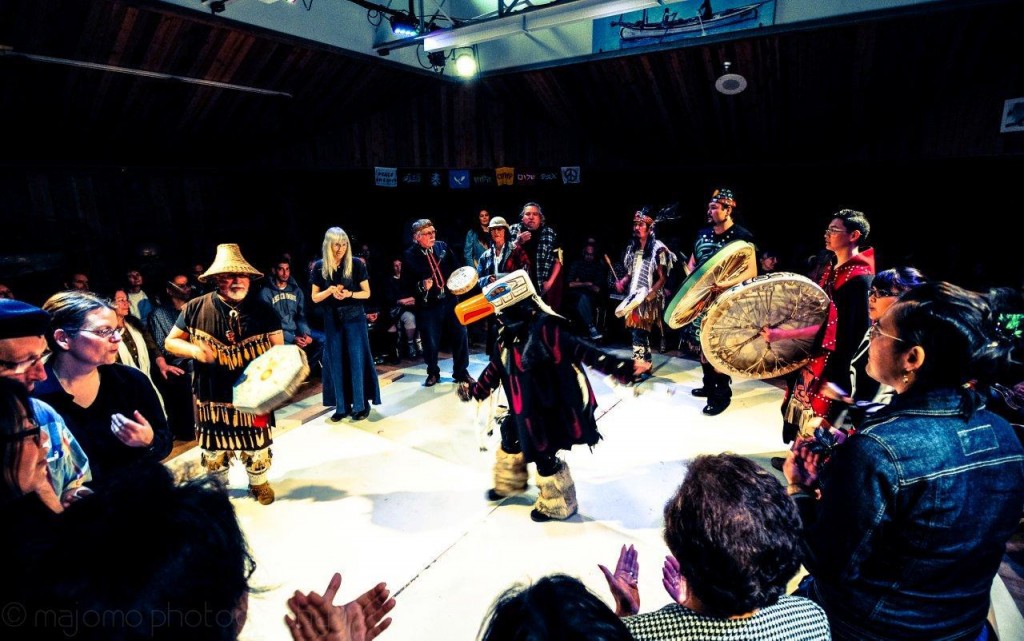
Vancouver Moving Theatre & DTES Heart of the City Festival in partnership with the Vancouver Aboriginal Friendship Centre invites you to witness
Storyweaving
Weaving First Nation Memories from the Past into the Future
A multi-disciplinary journey staged in the round. Honouring First Nations ancestral and urban presence in Greater Vancouver.
Twining together stories, poems and personal memories With oral histories woven from cultural teachings, West Coast dances and the ancient bone game of Slahal.
Slahal is as old as time. It can take everything from you Or give you what you need…. But do we always know what we need? The Old One steps upon his medicine wheel. Let the Slahal game begin.
A cast of aboriginal artists, elders, dancers and Downtown Eastside community members help an old man – The Old One – open up to his life’s journey, his regrets and hopes, through the teachings of the medicine wheel. His journey home gives voice to experiences of the urban aboriginal community, to voices not heard, to lives left behind.
Over the course of the Old One’s journey, ancestral memories emerge of the history of the Coast Salish area shared by many peoples. Songs, dances and stories are shared about traditional roles, protocols and ways of seeing and doing. We hear echoes of the salmon fishing industry’s decline, of families broken up by the residential school system and family members who have disappeared. And we hear stories of resilience: Aboriginal men and women who arrived in Vancouver looking for work; the founding of the Coqualeetza Fellowship and Aboriginal Friendship Centre; and what it means to be Aboriginal today, meeting the challenges of walking in the world of the ancestors and the world of today.
Storyweaving is about giving voice to those that have lived within and around the Canadian legislation of the Indian Act. And so many of us moved to the city of Vancouver and found a home here. Our social justice and educational efforts from the 1950s through to today continue to reflect our passion for life, love, and harmony. Storyweaving is about our hopes for a good future, guided by the principles of our cultural past. - Renae Morriseau, Director
Featuring Bob Baker, Sam Bob, Wes Nahanee, Loni Williams, Mike & Mique’l Dangeli, Marge C. White, Jenifer Brousseau, Quelemia Sparrow, Sue Blue, Brenda Prince, Stephen Lytton, Priscillia Tait and Muriel “X” Williams.
Storyweaving is co-written by Renae Morriseau with Rosemary Georgeson and Savannah Walling, with contributions by Downtown Eastside urban Aboriginal artists and from the 2003 Downtown Eastside Community Play (James Fagan Tait and Adrienne Wong).
May 11-13 & 18-20, 2012 Fridays and Saturdays at 7:30 pm (Doors open 7pm) Sunday Matinees at 2 pm (Doors open 1:30pm) By donation $0-$20. Limited seating.
Vancouver Aboriginal Friendship Centre Chief Simon Baker Room, 1607 East Hastings Street
Event Information: 604-628-5672 www.vafcs.org
Storyweaving has been made possible with the generous support of the Canada Council for the Arts, BC Arts Council, Government of BC through Gaming, City of Vancouver Cultural Services, TELUS, BC Government Service and Employees Union (BCGEU), and media sponsor The Georgia Straight.
 (l-r) Marge C. White, Muriel Williams, Priscillia Tait, Kat Norris Photo: David Cooper
The following is reprinted from PuShing it, the blog of the PuSh International Performing Arts Festival.

Monday, January 9, 2012
AN INTERVIEW WITH THE IDIOT CREATORS DIRECTOR JAMES FAGAN TAIT AND COMPOSER JOELYSA PANKANEA
Both “Crime and Punishment” and now “The Idiot” mark a certain production style in your body of work. How did it start? JAMES FAGAN TAIT: I had just finished working in the Downtown East Side with over 80 actors in a play, and I had done a few Ann Jellicoe-type community plays – one on Toronto Island, one in the Downtown East Side [In the Heart of a City] and six in Enderby with the Splatsin First Nations band and the City of Enderby – and I started believing in the power of large community and music and many people on stage of different variety. I realized that large shows with just a group of white professional actors didn’t have the same same resonance for me anymore. Camyar [Chai at Neworld] said that their mandate was diversity and I said “Can we have another field of diversity on stage: community artists, students, professional artists and artists who are not Equity?” So we did Crime and Punishment and the result was significant. We’re pursuing the same mandate with The Idiot: to create a culture in the cast. Where did the idea for adapting “The Idiot” come from? JOELYSA PANKANEA: I think Jimmy always felt it made sense after Crime and Punishment. He used to tell me back then, “We have to do The Idiot! That’s the next one!” So something about it was right for him. Continue reading Creating The Idiot- An interview
 (l-r) Marge C. White, Muriel Williams, Priscillia Tait, Kat Norris Photo: David Cooper
The Storyweaving Project
Vancouver Moving Theatre (VMT) and the Downtown Eastside Heart of the City Festival are excited to announce the Storyweaving Project (working title), produced in partnership with the Vancouver Aboriginal Friendship Centre Association.
Between now and early May 2012 VMT and our partners will undertake a series of community building and mentor workshops which will culminate in a full production/event early May 2012 at the Vancouver Aboriginal Friendship Centre.
The Storyweaving Project is a community-event for here and now to help make sense of urban Aboriginal experience. Storyweaving is about understanding how the past informs our present, and about learning from the past and the present to move into the future with hope.
This interdisciplinary theatrical presentation combines Aboriginal traditional symbolism of the medicine wheel woven with poems, dances, stories, song, testimonies, personal memories, and selections from the Downtown Eastside Community Play (2003). The script is co-written by Renae Morriseau with Rose Georgeson and Savannah Walling and with contributions from urban Aboriginal artists, James Fagan Tait, and Adrienne Wong.
The lead artists on the team are Renae Morriseau (Script Director), Rosemary Georgeson (Artistic Coordinator), Savannah Walling (Artistic Director), Terry Hunter (Producer) and Sherry Small of the Aboriginal Friendship Centre (Cultural Liaison).
The cast includes Aboriginal performers and elders from the Downtown Eastside community and lower mainland, and groups associated with the Vancouver Aboriginal Friendship Centre, including among others: elders Sam George and Marge C. White, Bob Baker, Wes Nahanee, Mike and Mique’l Dangeli and the Git Hayetsk Dancers, and DTES aboriginal community members Sue Blue, Stephen Lytton, Kat Norris, Brenda Prince, Priscillia Tait, Herb Varley, and Muriel Williams.
The Storyweaving Project has been made possible with the support the BC Arts Council Festival Enhancement Program and Theatre Project Program, Government of British Columbia through BC Gaming, City of Vancouver Cultural Services, and TELUS.

In a world obsessed with money, power, and sexual conquest, is a sanatorium the only place for a saint?
The award-winning team that brought you Crime and Punishment in 2005 returns with the world-premiere of a new adaptation of Dostoyevsky’s comic social critique, The Idiot.
The Idiot tells the story of the strange Prince Lyov Nikolayevich Myshkin – a person who is entirely and completely good. After four years convalescing in Switzerland, Myshkin returns almost cured of epilepsy and the “idiocy” it created in him. The moment his train crosses onto Russian soil, his adventure with love, truth and the whole rotten saga of human existence begins. He becomes enamored with Rogozhin, who himself is obsessed by Natasha Fillippovna, a beautiful woman with an unfortunate reputation. Scorned by the society of St. Petersburg for his generosity and innocence, Myshkin finds himself at the centre of a struggle fueled by love, jealousy and greed. In the end, it is Myshkin’s very goodness that leads to disaster.
Neworld Theatre (Peter Panties, PodPlays, Ali & Ali) teams up with Vancouver Moving Theatre to bring Dostoyevsky’s feverish comedy to the stage, in a musical adaptation that is both whimsical and haunting — a moral parable that questions the principles of the powerful.
Presented by PuSh International Performing Arts Festival and Theatre at UBC.
Adapted & Directed by James Fagan Tait Original Music by Joelysa Pankanea
Costume Designer: Mara Gottler • Set Designer: Bryan Pollock Lighting Designer: Itai Erdal • Wardrobe Assistant: Sydney Cavanagh Technical Director: John Reilly • Production Manager: Rachel Peake Stage Manager: Dorothy Jenkins • Assistant Stage Manager: Susan Miyagishima Assistant Director: Chelsea Haberlin • Downtown Eastside Manager: Terry Hunter Movement Consultant: Savannah Walling • Producer: Kirsty Munro Associate Producers: Terry Hunter, Savannah Walling
The Ensemble: David Adams, Patti Allan, Cherise Clarke, Kerry Davidson, Luke Day, Craig Erickson, Kevin MacDonald, Andrew McNee, Richard Newman, Kuei-Ming Lin, Stephen Lytton, Tom Pickett, Mike Richter, Savannah Walling, Adrienne Wong and introducing Theatre at UBC BFA-Acting students: Alen Dominguez, Alexander Keurvorst, Emma Middleton, Courtney Shields
Musicians: Joelysa Pankanea, Marimba | Mark Haney, Bass | Molly Mackinnon, Violin
|
Where:
|
Frederic Wood Theatre, UBC
|
|
When:
|
January 20 to 28 @ 7:30 pm January 21, 22, 28, 29 @ 2:00 pm No performance Monday, January 23
|
|
Tickets:
|
advance tickets $34 | $30 | $28 at-door tickets $36 | $32 | $30 2-for-1 Preview January 19 @ 7:30pm 2-for-1 Matinees January 21 & 22
universitytickets.com 604-822-2678
|
The Idiot is commissioned by Arts Partners in Creative Development and the PuSh International Performing Arts Festival.
Read an interview with director James Fagan Tait and Composer Joelysa Pankanea.
    
|
|